Worried about Acne/Spot‑prone / oily skin?
The Vicious Cycle
Oily skin → clogged pores → bacterial growth → inflammation → more oil production → repeat

Acne/Spot‑prone / oily skin
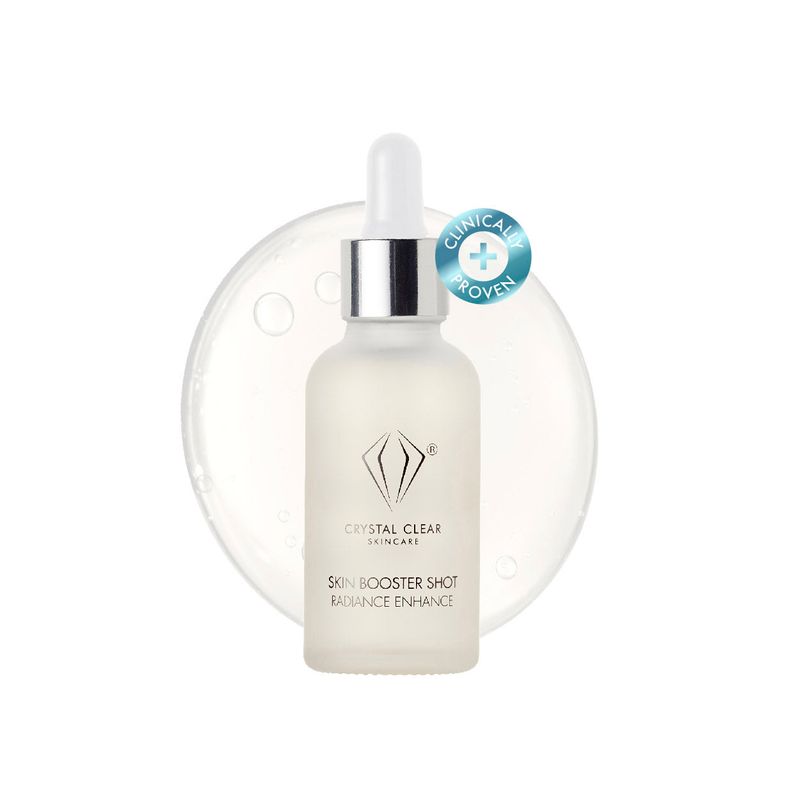
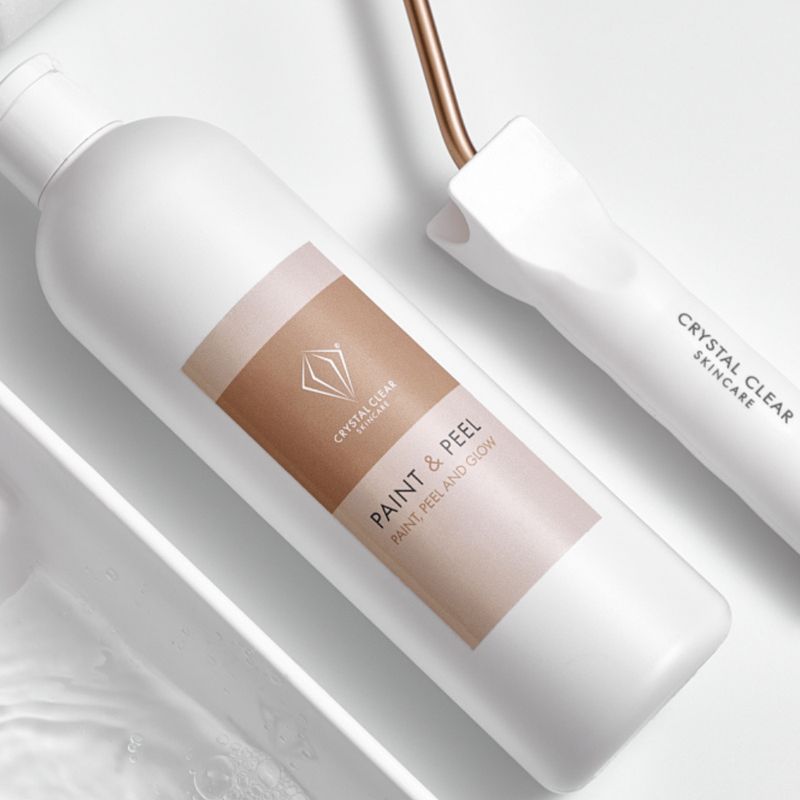
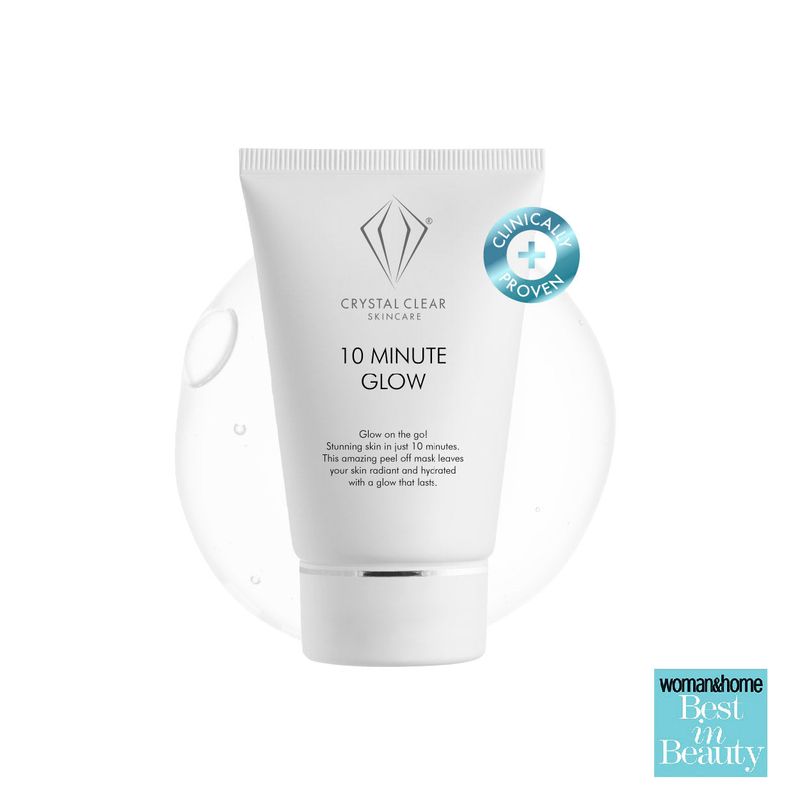
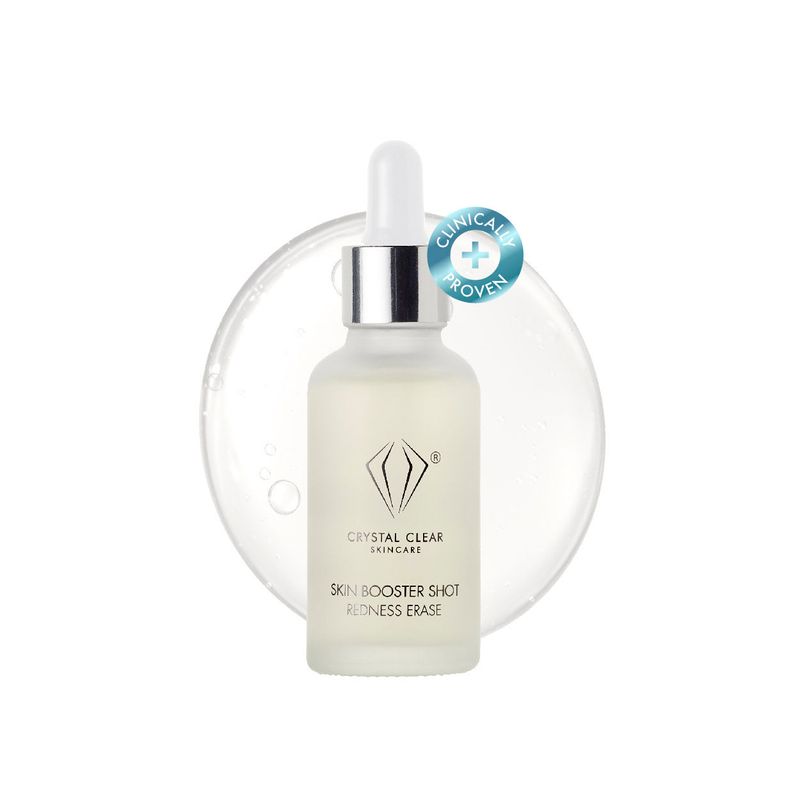
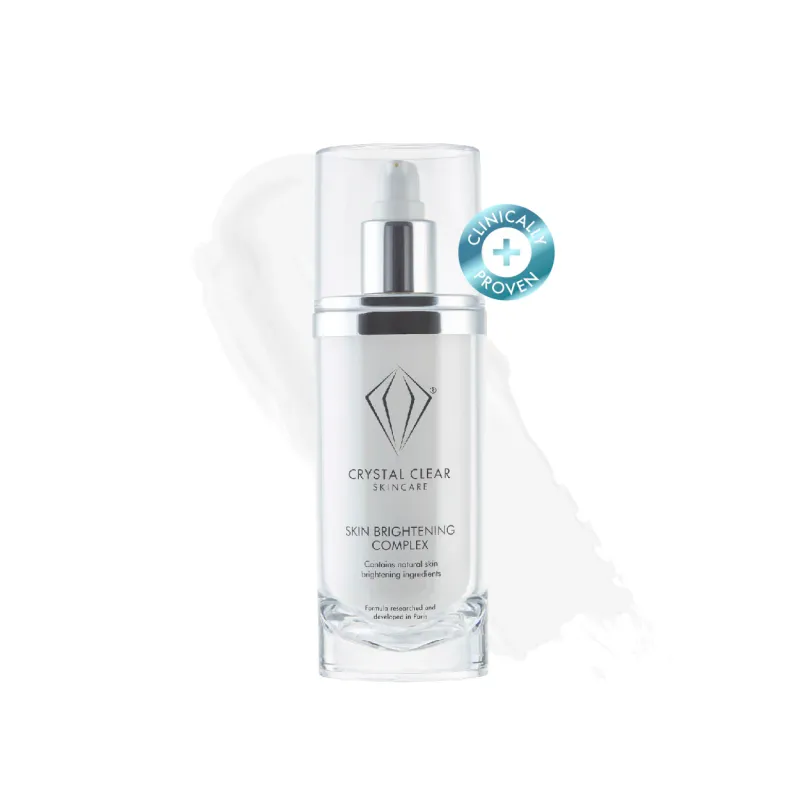
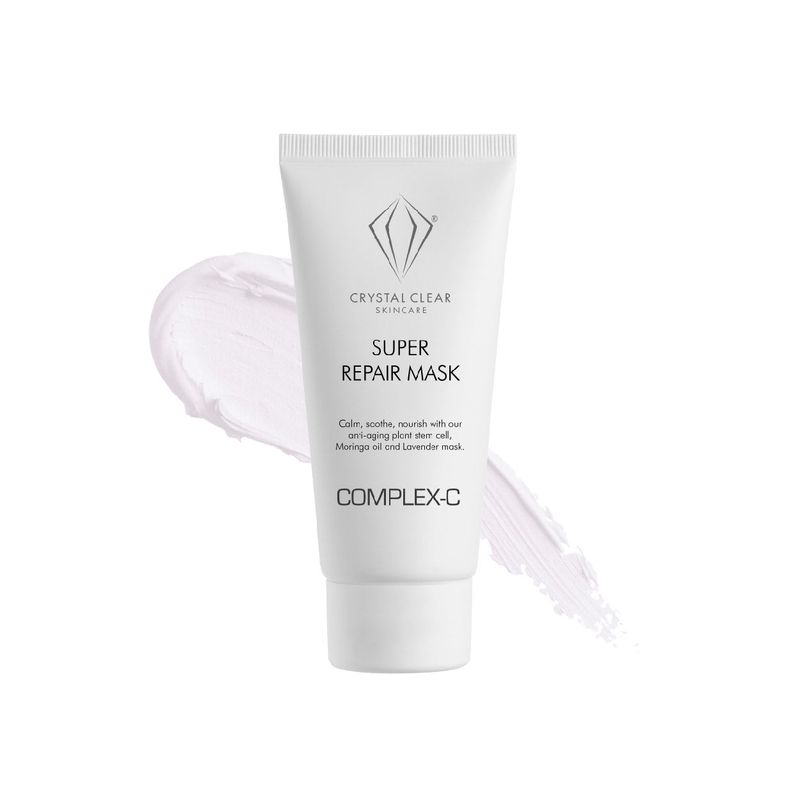
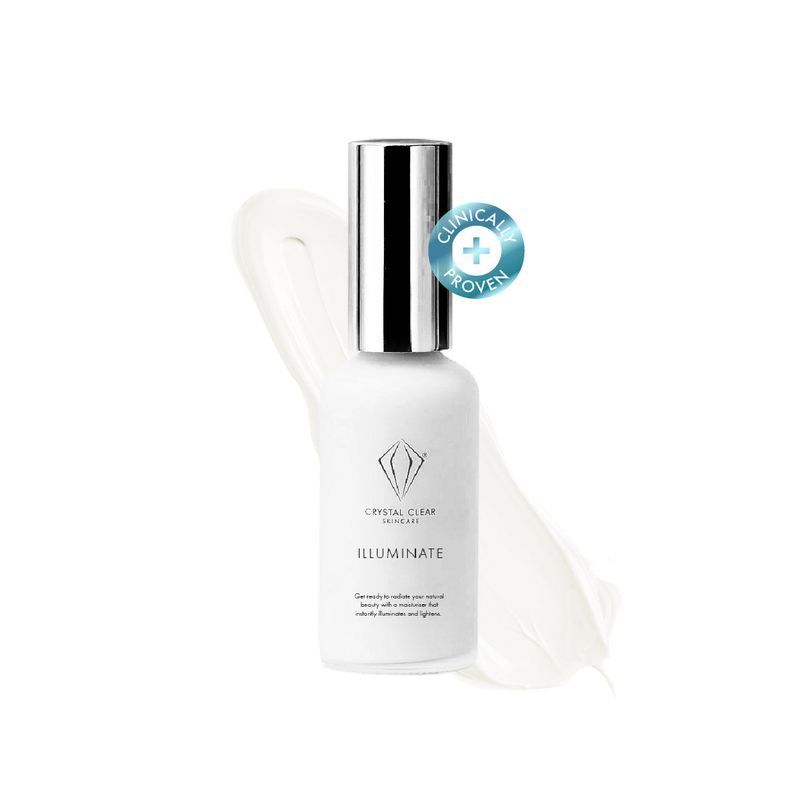
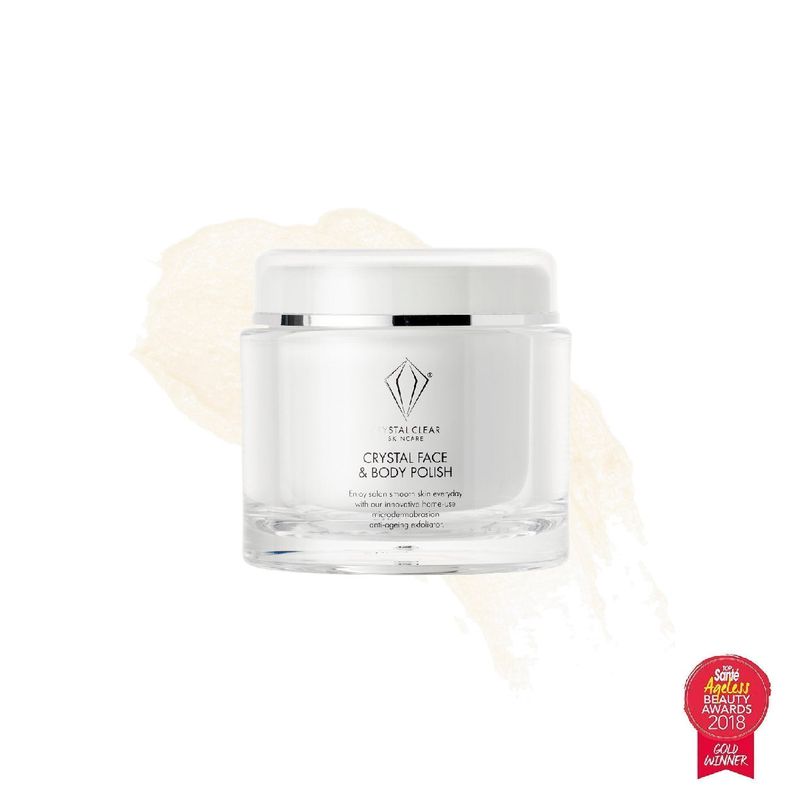
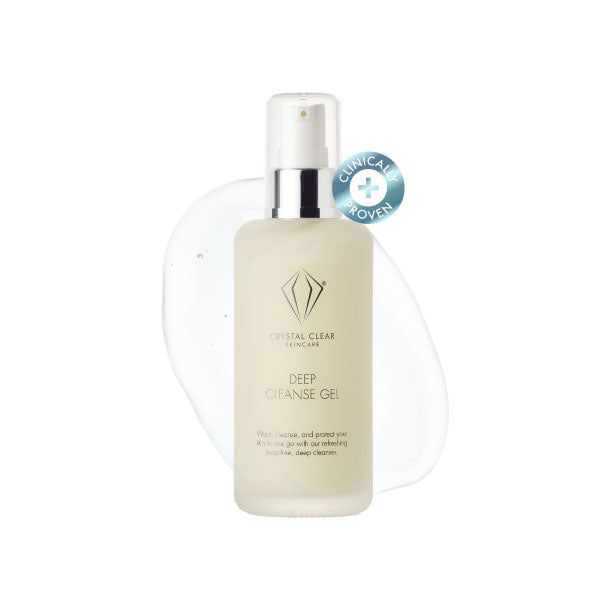
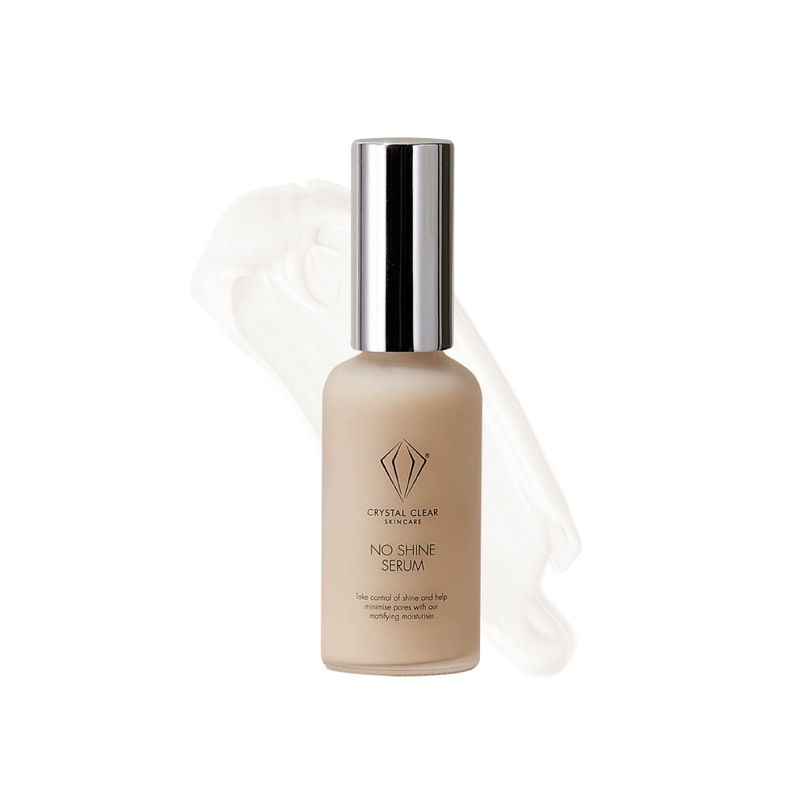
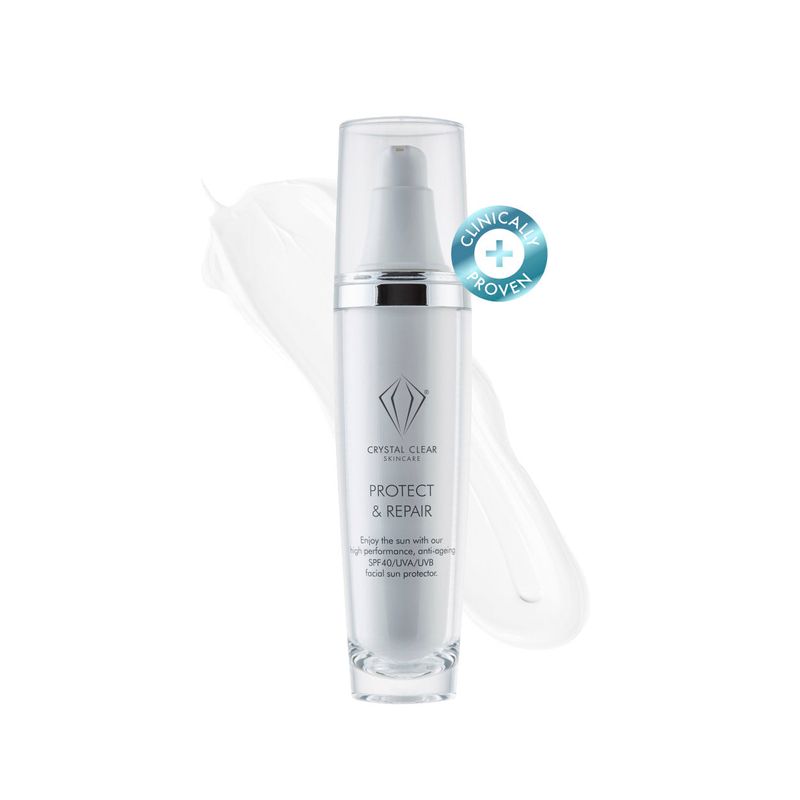
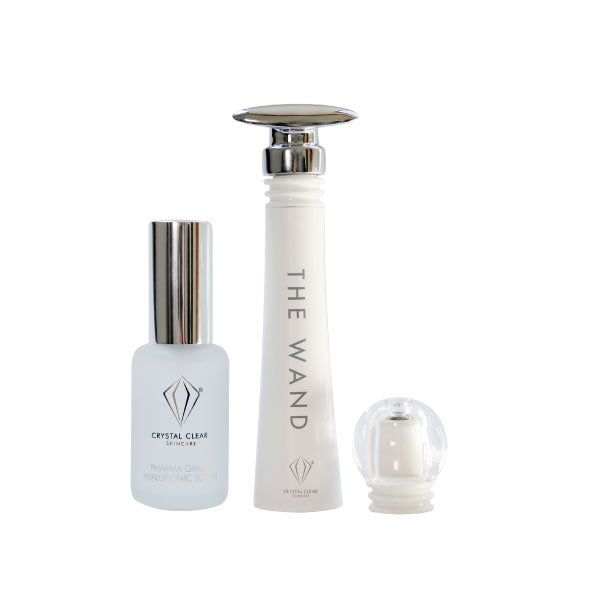
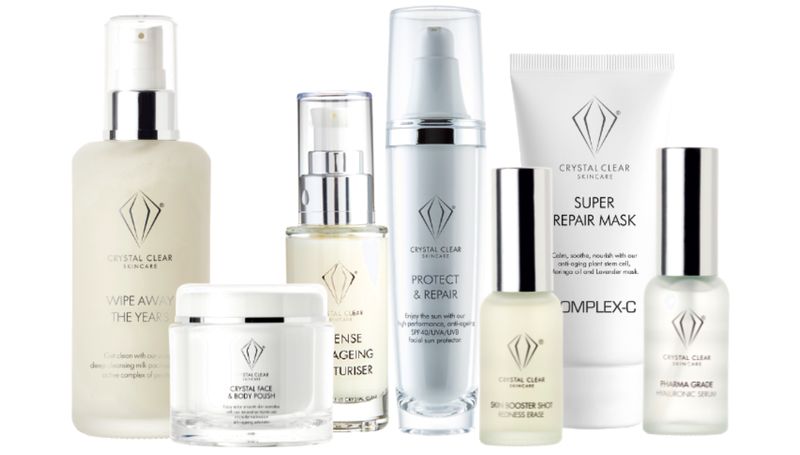
Acne-prone skin and post-breakout marks require targeted, skin-respecting care. Our Acne & Scarring range is formulated to help clarify the complexion, support skin renewal and visibly improve the appearance of blemishes and acne-related marks.
Why Choose Our Acne & Scarring Skincare
- Targeted acne support
Formulas containing salicylic acid to help unclog pores and reduce congestion. - Support for skin renewal
Retinol and vitamin C help encourage smoother-looking skin and improve the appearance of acne scarring. - Balanced, considered formulations
Designed to support clearer-looking skin without unnecessary harshness. complexion!




Acne & Scarring Skin – FAQ
1.Q: What is acne?
A: Acne is a common skin condition that develops when pores become clogged with excess oil, dead skin cells, and bacteria. Pimples, blackheads, and inflamed bumps can appear on the face, back, or chest.
2. Q: What causes acne?
A: Acne can be triggered by excessive oil production, hormonal changes, stress, improper skincare, diet, and genetic predisposition. Inflammation also plays a key role in its development.
3. Q: Why do scars form after acne?
A: Scarring usually occurs after deeper, inflamed breakouts. When the skin’s healing process is disrupted, collagen deficiency or overproduction can develop, resulting in indented or raised scars.
4. Q: Can acne scarring be prevented?
A: Yes, with proper and timely treatment, the risk of scarring can be reduced. It is important not to pick or squeeze pimples and to use anti-inflammatory, skin-friendly products.
5. Q: How can I treat acne-prone skin at home?
A: Regular, gentle cleansing is essential. Use non-comedogenic (non-pore-clogging) products, anti-inflammatory ingredients (such as niacinamide and salicylic acid), and apply sunscreen daily.
6. Q: Can acne scars be improved?
A: Yes, significant improvement can be achieved with professional treatments. These may include chemical peels, microneedling, LED therapy, or specialized collagen-stimulating procedures. Treatment plans should always be tailored to the individual’s skin condition.
7. Q: When should I see a specialist?
A: If acne is persistent, painful, causing scarring, or not improving with at-home treatment, it is recommended to consult a dermatologist or skincare specialist for a personalized treatment plan.