Struggling with Hyperpigmentation?
Are dark spots, uneven skin tone, or patches of discolouration affecting your confidence? Hyperpigmentation is one of the most common skin concerns — but the good news is, it can be managed with the right routine and consistent care.
What Causes Hyperpigmentation?
Hyperpigmentation happens when your skin produces excess melanin. This can be triggered by:
Sun exposure – UV rays stimulate melanin production, leading to sun spots and age spots.
Hormonal changes – Pregnancy, menopause, or contraceptives can cause melasma.
Post-inflammatory marks – Acne, cuts, or irritation can leave behind dark patches.
Ageing skin – Over time, sun damage builds up and pigmentation becomes more visible.
Left untreated, pigmentation often becomes deeper and harder to correct. Quick fixes rarely work. Consistency does.

Target Hyperpigmentation and Reveal a Radiant Glow
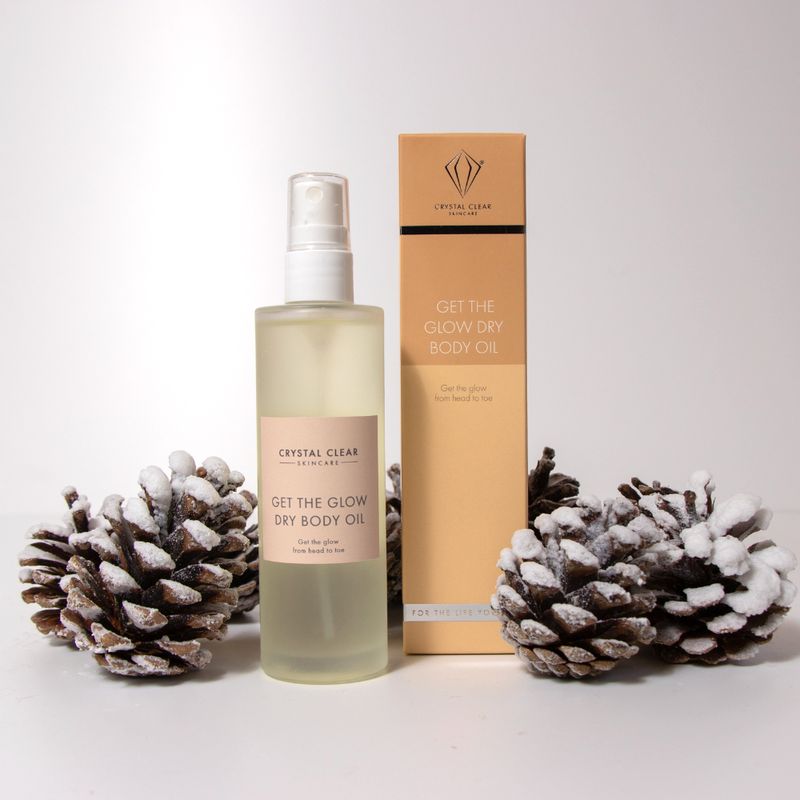
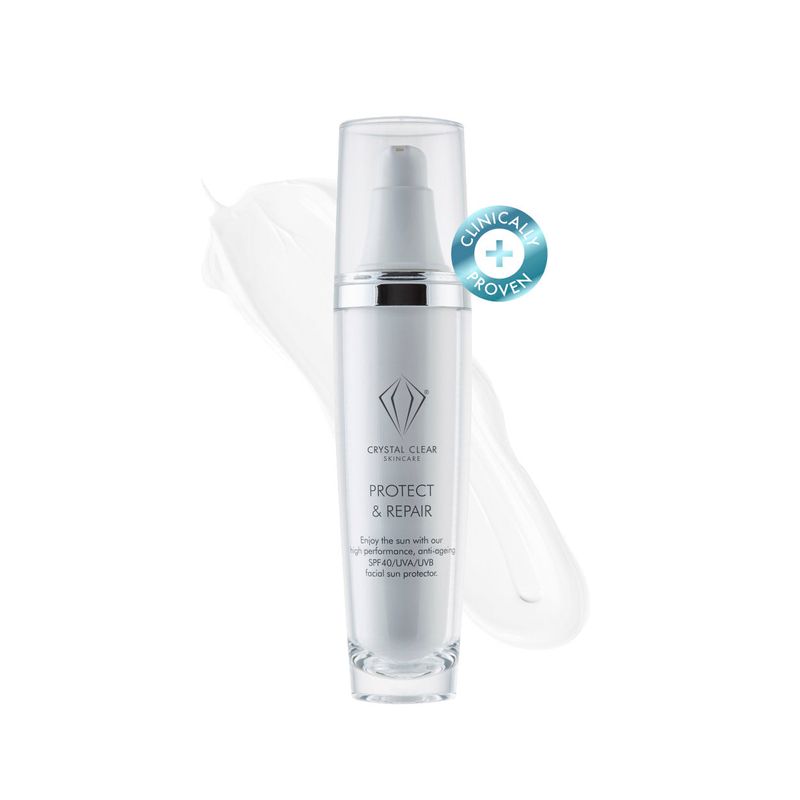
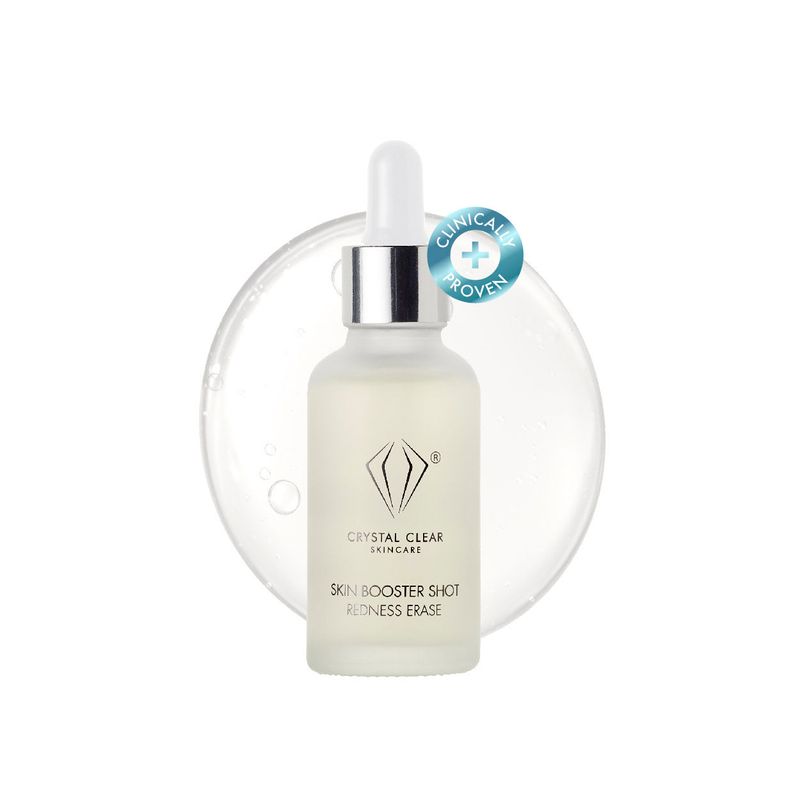
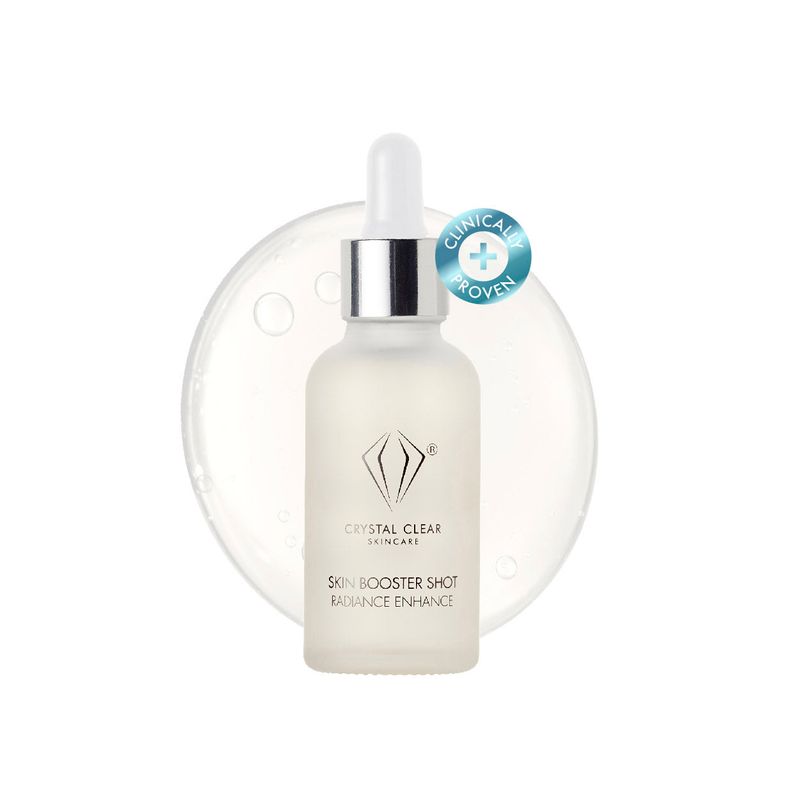
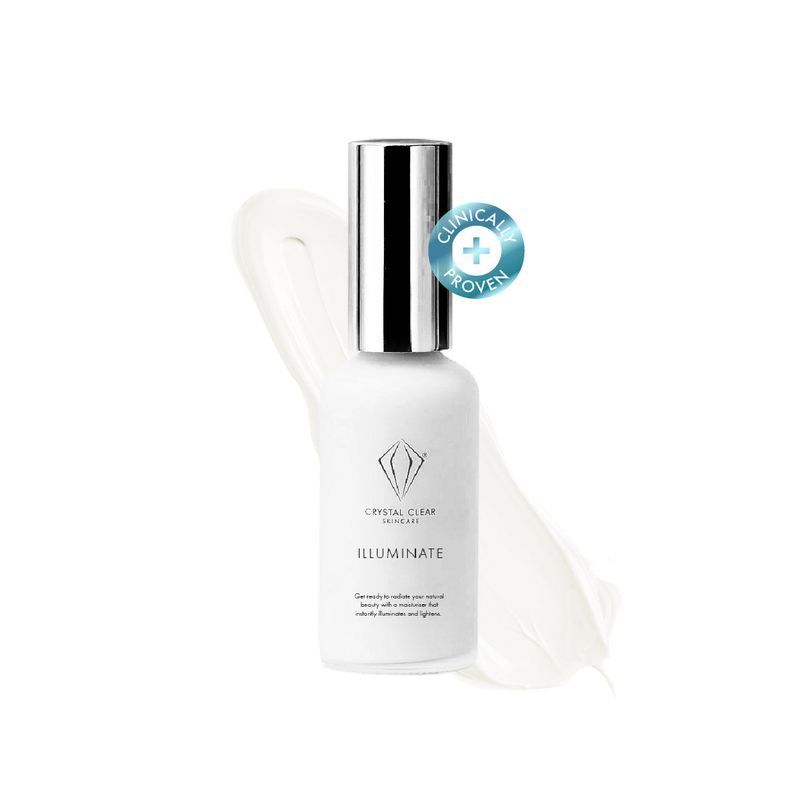
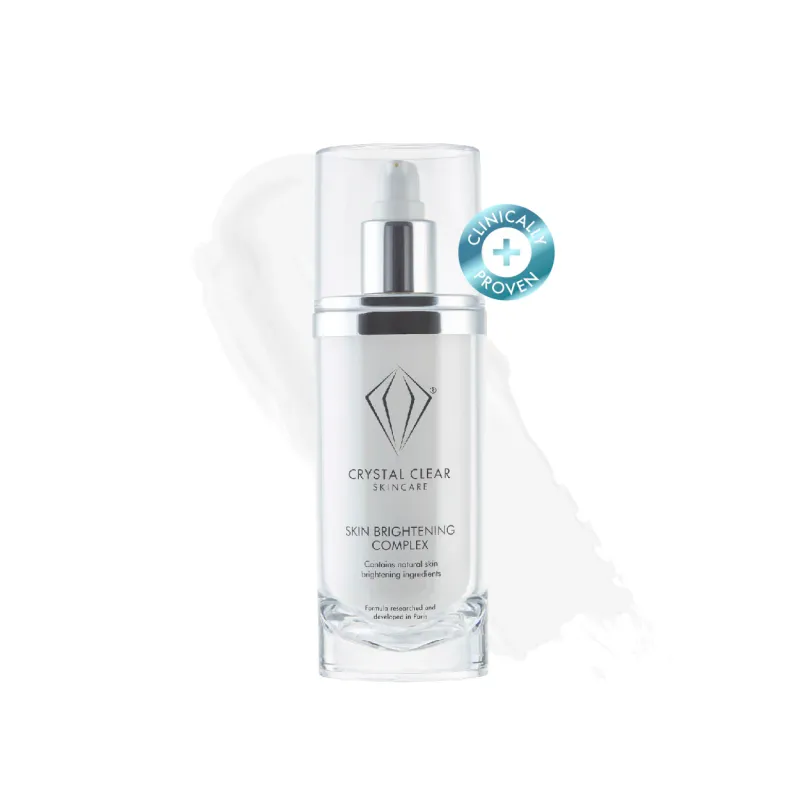
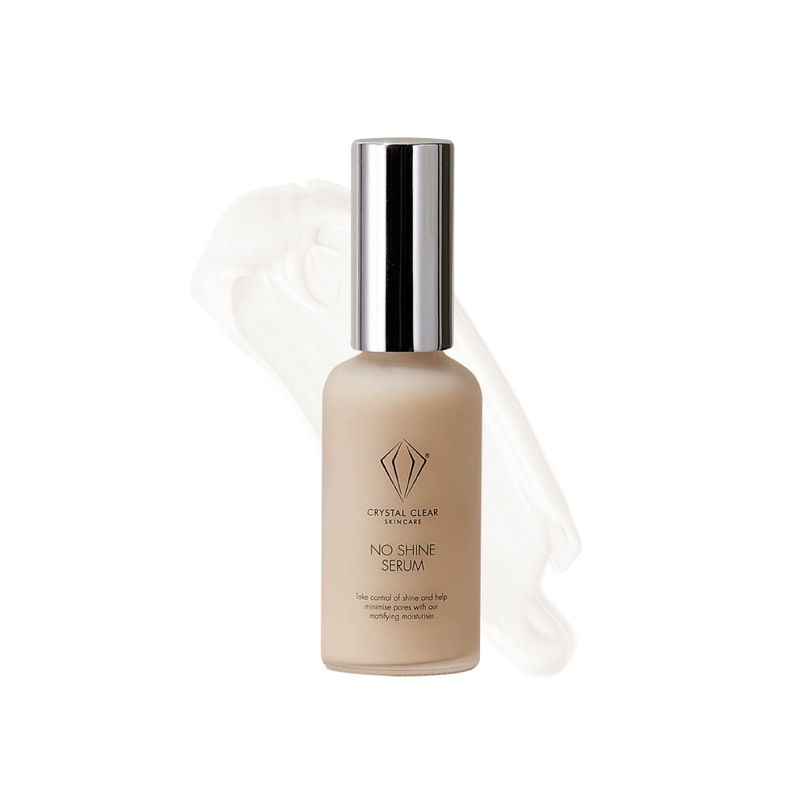
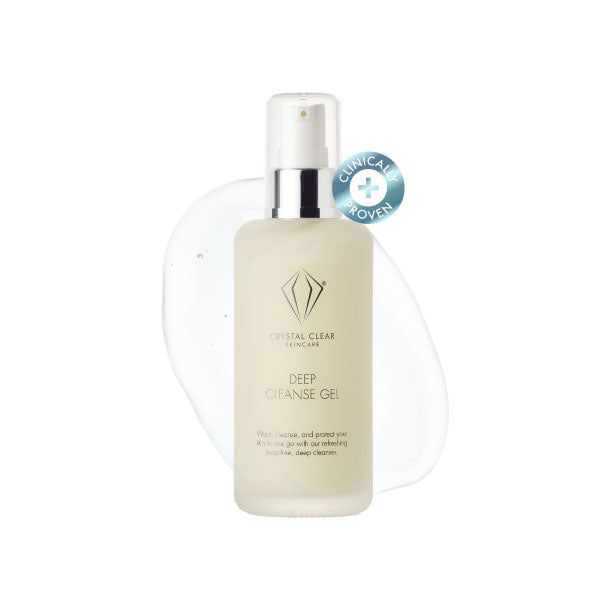
Our advanced hyperpigmentation skincare products are specially formulated to help you achieve a brighter, more even complexion. Experience the transformative effects of Crystal Clear products UK.
- Fades dark spots – gradually reduces the appearance of pigmentation.
- Evens skin tone – promotes a brighter, more radiant look.
- Protects against UV damage – enriched with antioxidants and protective actives.
- Supports skin renewal – encourages fresher, healthier-looking skin.
- Boosts confidence – step out with clearer, glowing skin every day.
Clinically designed to treat existing pigmentation while supporting long-term radiance and balance, these products help you shine with confidence every single day.

Struggling with Hyperpigmentation? – FAQ
1. Q: What is hyperpigmentation?
Ar: Hyperpigmentation occurs when patches of skin become darker than the surrounding area due to excess melanin production. Common types include sun spots, age spots, post-inflammatory marks, and melasma.
2. Q: What causes hyperpigmentation?
A: Causes include sun exposure, hormonal changes, inflammation from acne or injuries, certain medications, and genetic factors. UV exposure is the leading trigger for dark spots and uneven skin tone.
3. Q: Can hyperpigmentation be prevented?
A: Yes. Consistent sun protection with broad-spectrum SPF, avoiding triggers like picking at skin, and using targeted brightening ingredients can reduce the risk and prevent worsening of dark spots.
4. Q: How can I treat hyperpigmentation at home?
A: Use gentle, non-irritating products with ingredients like:
Vitamin C – brightens and protects against free radicals
Niacinamide – reduces dark spots and evens skin tone
Alpha Arbutin – targets melanin production
Gentle chemical exfoliants (AHA/BHA) – help renew skin
Always apply sunscreen daily to prevent recurrence
5. Q: How long until I see results?
A: With a consistent routine, mild hyperpigmentation may begin to improve within 4–6 weeks. More stubborn dark spots can take 8–12 weeks or longer, depending on severity and skin type.
6. Q: Can hyperpigmentation be completely removed?
Ar: While some dark spots may fade completely, others may only lighten. Consistent skincare and professional treatments can significantly reduce pigmentation and even out skin tone over time.
7. Q: When should I consult a professional?
A: If dark spots are persistent, spreading, or worsening despite at-home care, it’s recommended to consult a dermatologist or skincare specialist for personalized treatments such as chemical peels, laser therapy, or professional brightening procedures.