Suffering with facial redness or rosacea flare-ups?
What Causes Rosacea?
Rosacea is a long-term inflammatory skin condition. The exact cause isn’t pinned down to one single factor — it’s usually a combination of genetics, immune response, and environmental triggers.
Common Triggers (What Makes It Worse)
- Even though these don’t cause rosacea, they definitely wake it up:
- Sun exposure
- Hot drinks
- Alcohol (especially red wine)
- Spicy foods
- Stress
- Extreme temperatures
- Harsh skincare products
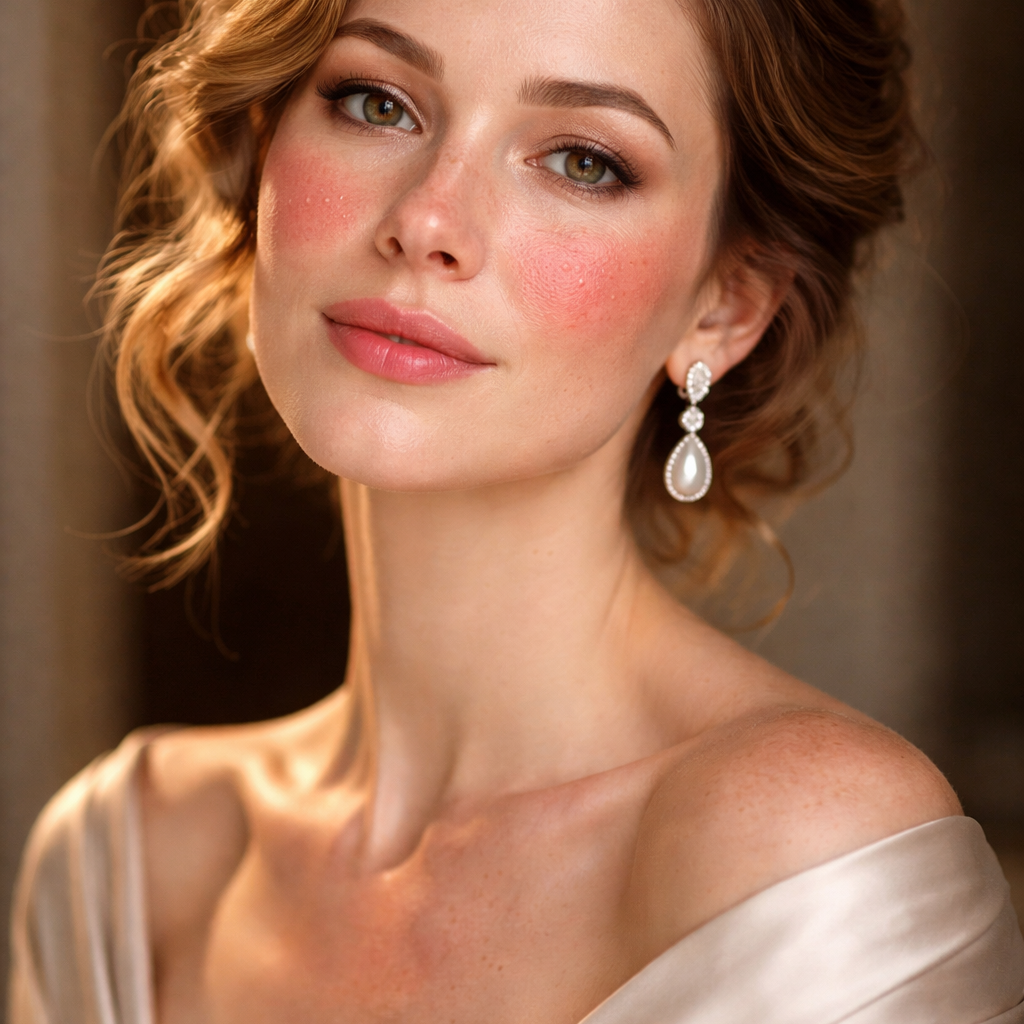
Dealing with facial redness or rosacea flare-ups?
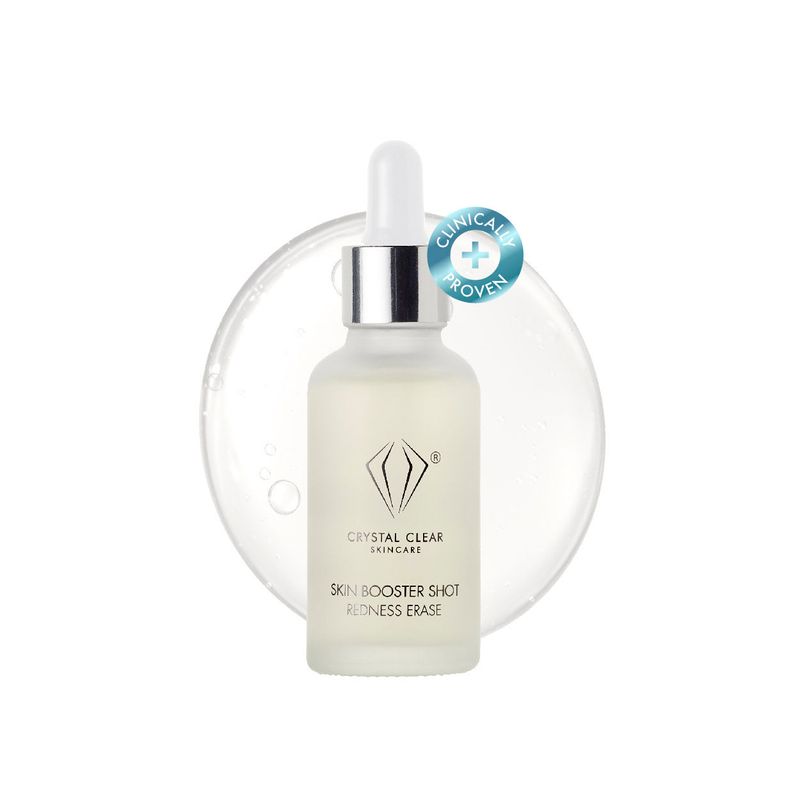
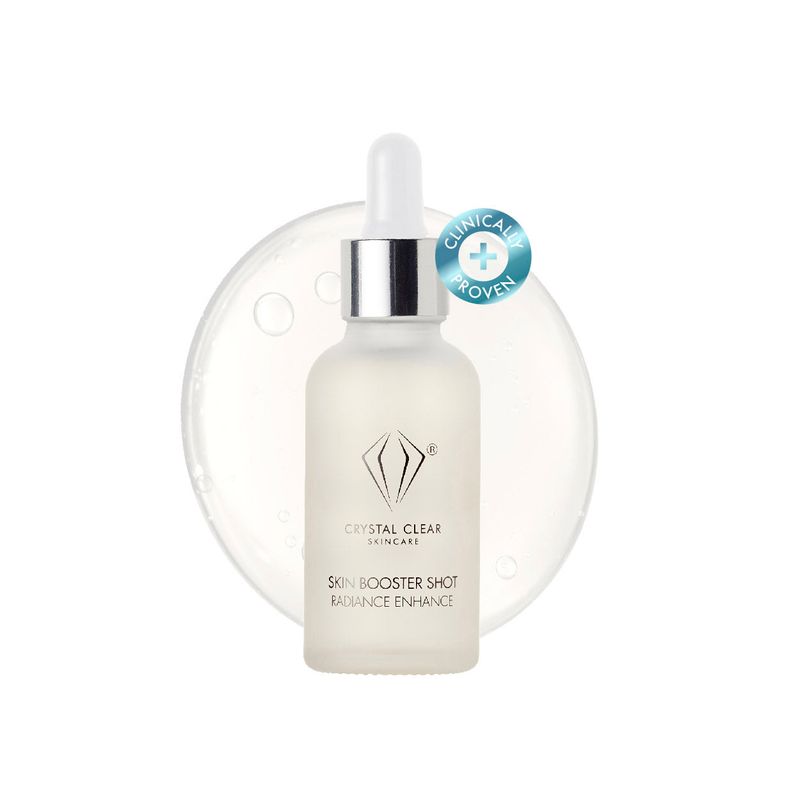
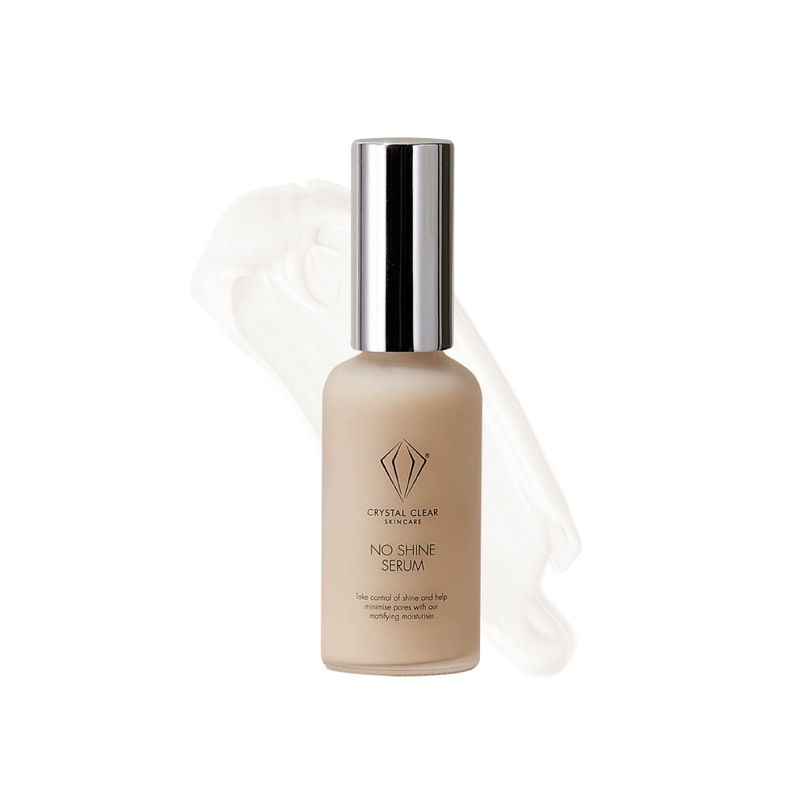
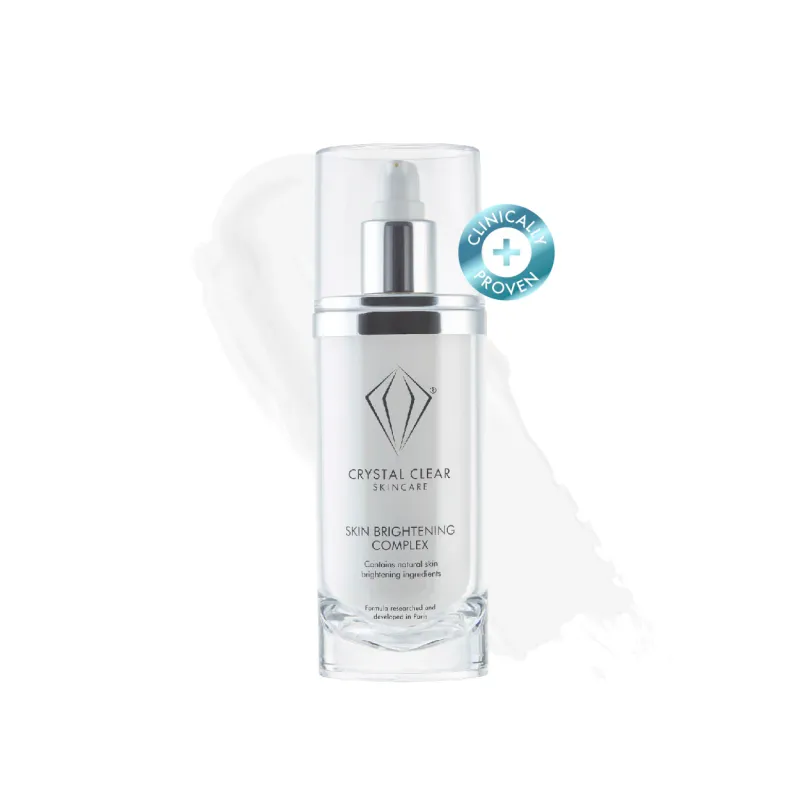
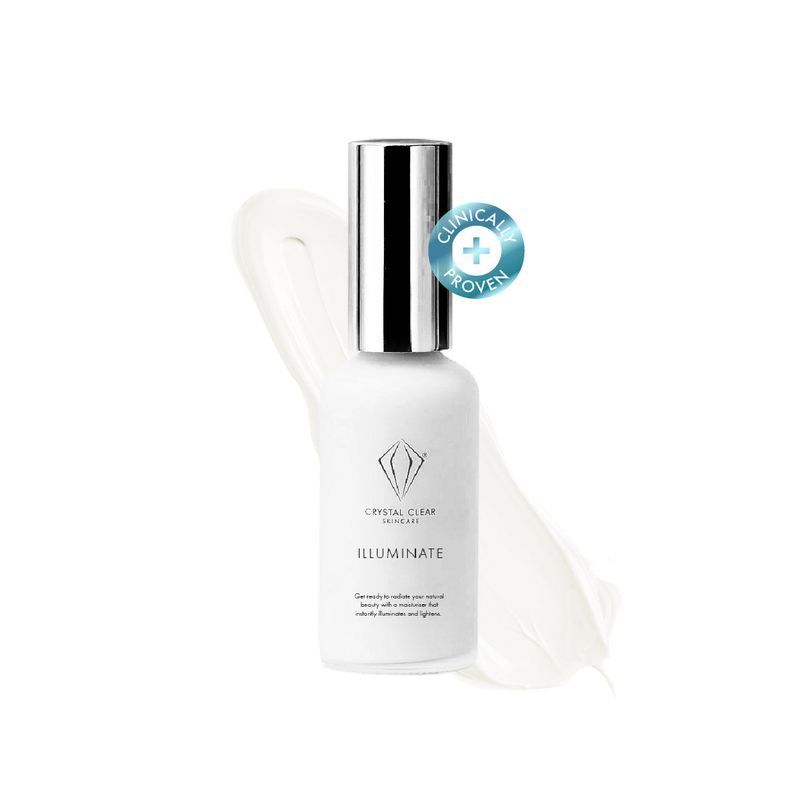
Our redness- and rosacea-targeted skincare products are specially formulated to soothe irritation, reduce redness, and restore balance to sensitive skin.
- Calms and soothes – reduces redness and irritation.
- Strengthens the skin barrier – protects against external stressors.
- Evens skin tone – promotes a fresher, more radiant complexion.
- Gentle yet effective – safe for sensitive skin.
- Everyday comfort – leaves skin feeling calmer, balanced, and glowing.
Clinically designed to ease symptoms and support long-term skin health, these products help you feel confident and comfortable in your own skin again.
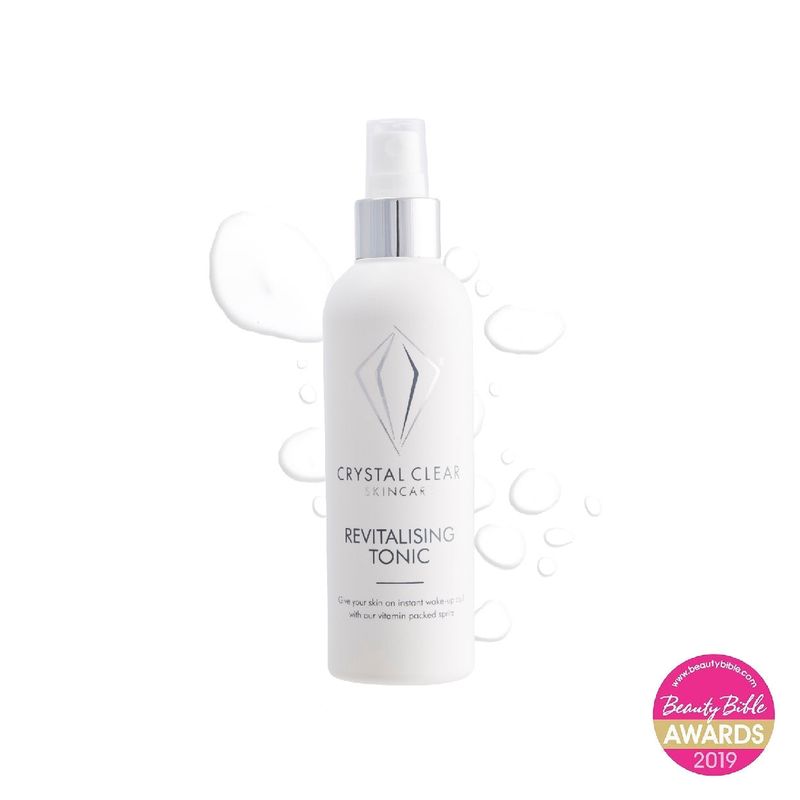
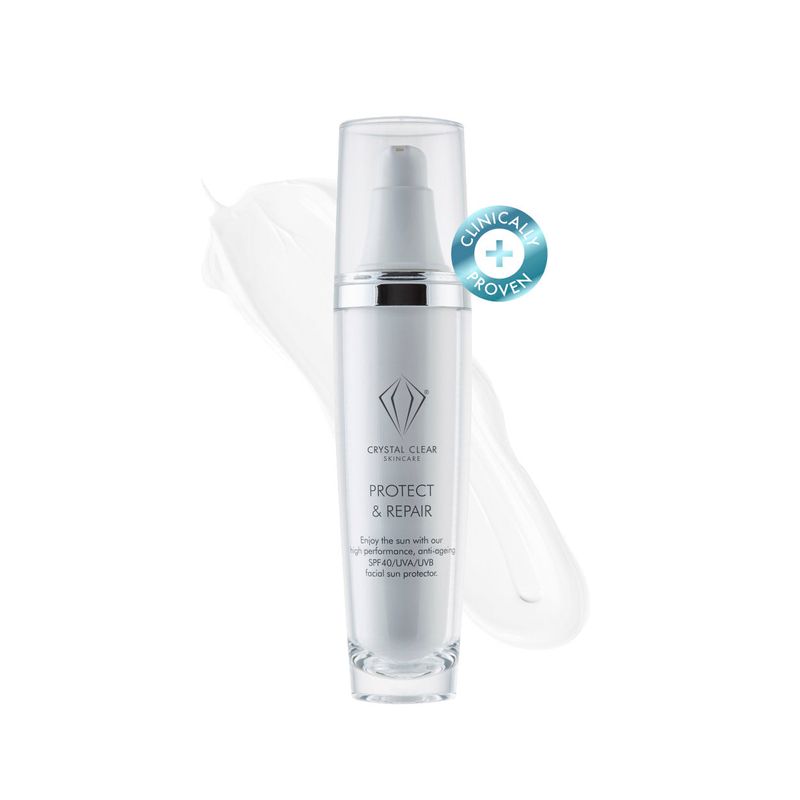
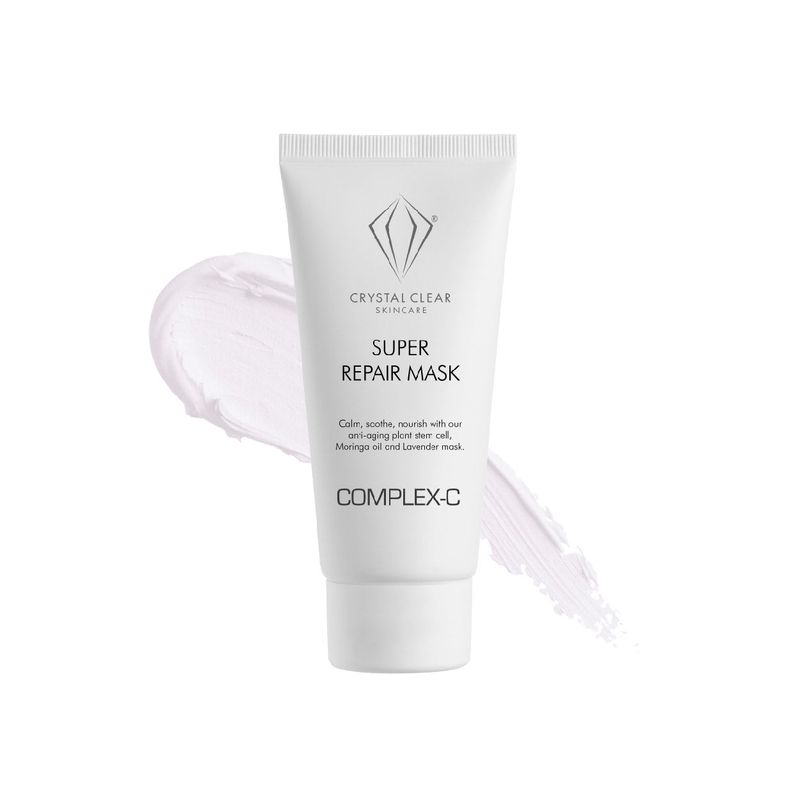


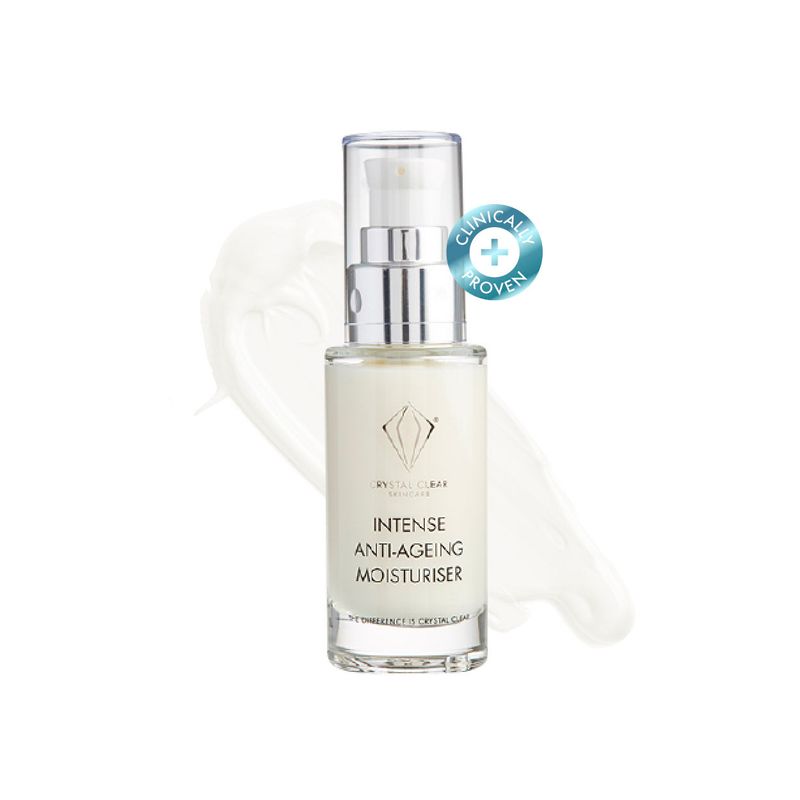
Tagline
Rosacea FAQ
Q1: What is rosacea?
A: Rosacea is a chronic skin condition that causes facial redness, visible blood vessels, and sometimes bumps or irritation. It usually affects the cheeks, nose, forehead, and chin. While it can flare up, it’s manageable with the right skincare and treatments.
Q2: What causes rosacea?
A: The exact cause isn’t fully known, but it’s often linked to genetics, an overactive immune response, sensitive blood vessels, skin barrier issues, and sometimes microscopic mites called Demodex. Environmental triggers like sun exposure, spicy foods, alcohol, and stress can worsen flare-ups.
Q3: Can rosacea be cured?
A: There’s no permanent cure, but symptoms can be controlled. With consistent skincare, professional treatments, and avoiding triggers, many people see significant improvement.
Q4: How can I manage rosacea at home?
A: Gentle skincare is key. Use products formulated for sensitive skin, avoid harsh scrubs, and always wear sun protection. Keep a diary to identify personal triggers like foods, heat, or stress.
Q5: Can skincare treatments help?
A: Yes. Treatments like calming facials, targeted serums, and LED therapy can reduce redness and soothe irritation. At Harmony Central, our team can recommend products and treatments specifically for rosacea-prone skin.
Q6: Is rosacea linked to acne?
A: While rosacea can cause bumps that look like acne, it’s a different condition. Acne treatments may irritate rosacea, so it’s important to follow a rosacea-specific routine.
Q7: When should I see a dermatologist?
A: If redness is persistent, worsening, or accompanied by swelling, burning, or eye irritation, consult a dermatologist for professional advice and possible prescription treatments.